Construction onboarding is different from onboarding in most industries. Success is measured by whether your new hires are safe, compliant, properly trained, and ready to contribute on the job site. That requires more than a collection of spreadsheets, paper records, disconnected training systems, and manual follow-up.
Onboarding Tips For Construction Companies
The most effective onboarding programs combine safety training, skills development, compliance tracking, and ongoing coaching into a structured experience that supports employees beyond their first week. When training is organized, accessible, and tailored to each role, new hires can gain confidence faster while managers maintain visibility into workforce readiness. Here are a few ideas for making onboarding a success.
1) Safety Comes First
Before a new hire can begin work, companies need confidence that required safety training has been completed, certifications are current, and company procedures have been understood. That's why one of the first questions HR and safety teams ask is: Who has the right OSHA training? Which projects require it? Can supervisors quickly prove completion if they're asked? And you have to answer these questions consistently and at scale.
The challenge is that safety onboarding is often spread across multiple systems. Training content may live in one platform, internal SOPs in another, certificates in a shared drive, live training records in spreadsheets, and reporting somewhere else entirely. As new employees move through onboarding, administrators are often forced to manually connect the dots between paper records, uploads, spreadsheets, and various training providers. The result is a process that's difficult to manage and even harder to audit.
A more effective approach is to centralize the process in a learning management system for construction companies. In Bridge, you have one place to deliver safety training, assign required learning, track completions, store training records, and maintain visibility into certifications and compliance requirements.
1) Supporting Your Multilingual Workforce
For many construction companies, multilingual onboarding is a requirement for safety, compliance, and successful training. The best processes assume language differences will exist and create a variety of ways for employees to understand information.
Focus your professional translation efforts on high-risk, critical content like safety and compliance protocols first. Create visual and hands-on learning like photos, diagrams, and video demonstrations with translated subtitles over text-dense manuals. Pair new hires with bilingual onboarding buddies or crew members so they have a comfortable, peer-level contact on the job site to answer daily questions, while keeping all written communications free of complex jargon or unnecessary acronyms.
Frontline managers should actively validate real-time understanding of protocols and skills through site walk-throughs, teach-backs, and 30-60-90 day check-ins. Always have bilingual speakers verify any AI-assisted translations before publishing safety-critical materials.
- Use visuals where possible
- Pair with a bilingual “buddy”
- Translate critical content
- Use video with translated voiceovers
- Avoid jargon
3) Foremen and Superintendents Are the Real Onboarding Owners
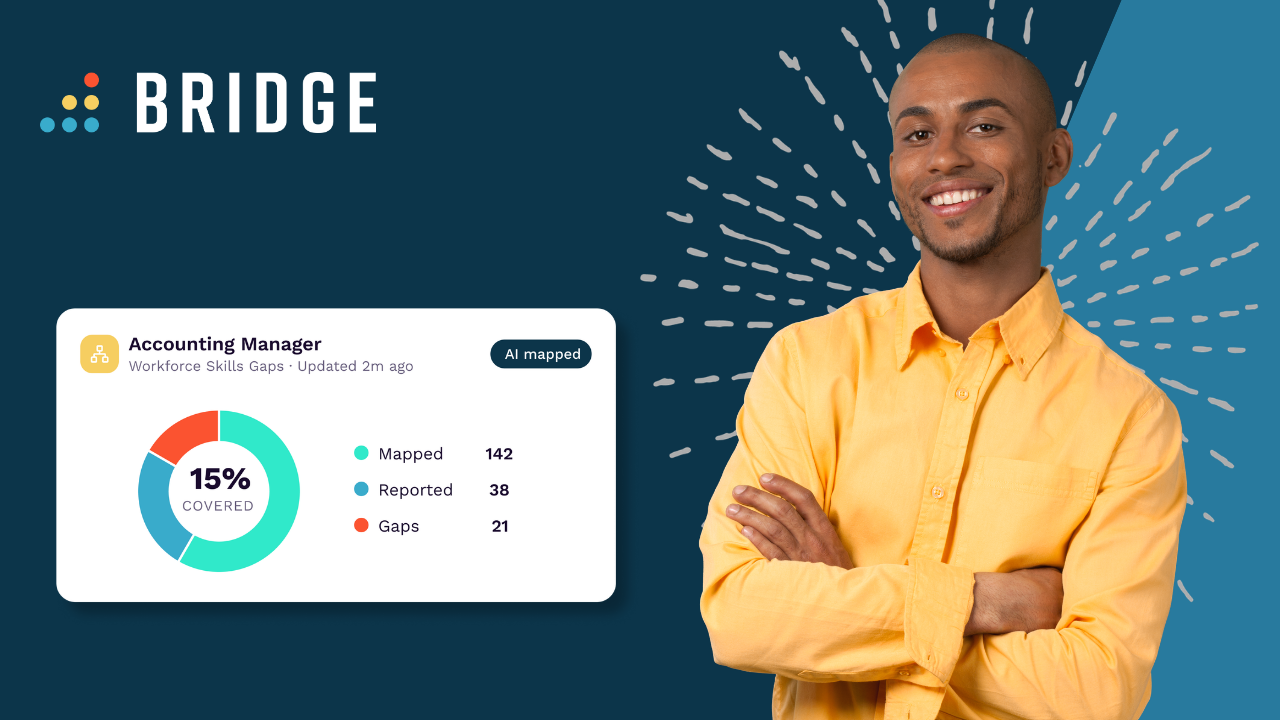
While HR and safety teams play an important role in construction onboarding, they're rarely the people determining whether a new hire is truly ready for the job site. That responsibility typically falls to foremen, superintendents, supervisors, project managers, and safety leaders. These frontline leaders need immediate visibility into who has completed required training, which certifications are current, and whether anyone is missing critical requirements before work begins. When onboarding information is difficult to find or spread across multiple systems, supervisors are often left chasing paperwork instead of coaching employees and managing projects.
The most effective onboarding programs make it easy for frontline leaders to stay informed without creating additional administrative work. Managers should be able to quickly see the status of their crews, identify overdue training, verify completions, and monitor progress toward onboarding milestones. Bridge supports this by providing manager dashboards, approval workflows, and automated reminders that help supervisors stay on top of onboarding requirements. Here's how foremen and supervisors can support onboarding success:
- Own the first week. Don’t assume training alone will prepare someone for the job site. Spend time walking new hires through daily routines, expectations, and safety procedures.
- Verify skills in the field. Training records are important, but supervisors should also observe employees performing critical tasks and provide coaching when needed.
- Create opportunities for questions. New hires are often hesitant to speak up. Regular check-ins can surface confusion before it becomes a safety or productivity issue.
- Introduce key relationships. Help employees understand who to contact for equipment, safety concerns, project questions, and day-to-day support.
- Track progress against milestones. Establish clear expectations for the first 30, 60, and 90 days so employees know what success looks like.
- Recognize early wins. Celebrating completed certifications, safety milestones, or strong performance helps build confidence and engagement.
- Address gaps quickly. If someone is missing training, struggling with a process, or falling behind on requirements, intervene early rather than waiting for formal reviews.
4) Make Training Accessible For Deskless Workers
Construction onboarding can't assume employees are sitting behind a desk with a laptop and a full day dedicated to training. Most field workers spend their days on job sites, moving between projects, equipment, and crews.
Mobile learning gives employees the flexibility to complete assigned training, review safety procedures, access certifications, or revisit important information whenever they have a few minutes between tasks, before a shift starts, or during scheduled downtime. It also provides an easy way to refresh knowledge on specific topics without requiring employees to track down paper documents or return to the office.
The Bridge LMS mobile app makes this possible by giving employees access to onboarding materials, safety content, certifications, and assigned training directly from their phones. By putting learning in the same place employees already carry with them every day, organizations can make onboarding more accessible, reinforce important information when it's needed most, and help employees stay current on training requirements no matter where work takes them.
5) Measure Readiness
Completing onboarding assignments is important, but in construction, the real question is whether an employee is ready to work safely and effectively on the job site. A completed course doesn't necessarily mean someone understands company procedures, can perform critical tasks, or knows how to respond in a safety-related situation.
Onboarding should include clear milestones that measure readiness, not just training activity. Managers, foremen, and supervisors should regularly evaluate whether new hires can demonstrate required skills, follow safety protocols, locate important information, and work independently within their role.
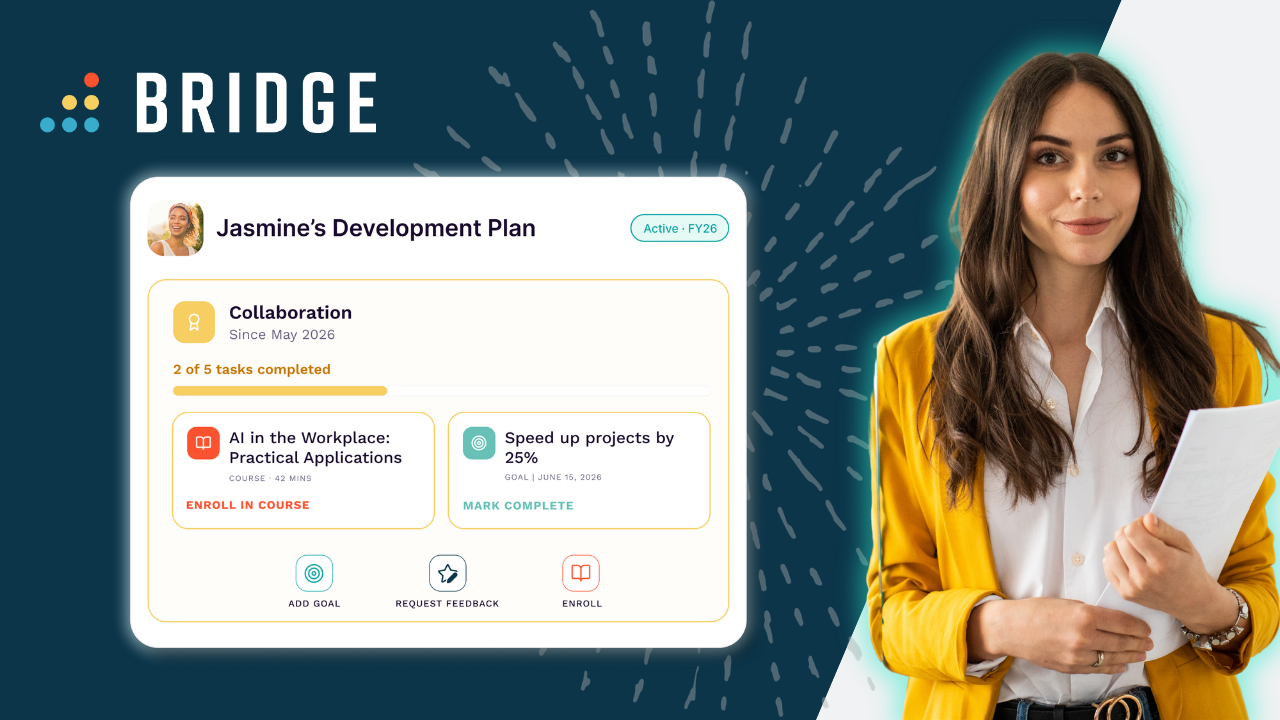
Consider establishing 30-, 60-, and 90-day onboarding checkpoints that combine training completion with practical observations, skills assessments, certification status, and supervisor feedback. These milestones help identify gaps early, provide opportunities for coaching, and ensure employees are progressing toward full job-site readiness.
Use Bridge LMS to Onboard Construction Workers
Bridge helps construction companies bring the entire onboarding process together in one place. With role-based Learning Journeys, companies can guide employees through the right training in the right order. HRIS integrations automatically place new hires into onboarding paths based on their role, department, location, or crew.
Certification tracking helps teams stay ahead of expirations and compliance requirements, while manager dashboards give foremen, superintendents, and supervisors visibility into training progress and workforce readiness. And because learning is available through the Bridge mobile app, employees can access onboarding materials, safety content, and required training wherever work happens.
See how Safety Now helped their customer reduce accidents by 71% with Bridge LMS.