It’s Learning Disability Week in the UK, and that got me thinking: How many companies include learning and development in their DEI strategy? Looking at the statistics, it becomes clear that every organisation should do so.
The World Bank estimates that one billion people, or 15% of the world’s population, experience some form of disability. Yet, according to the House of Commons Library, only 50% of disabled people in the UK were in employment in May 2021. In the US, the number is even more concerning, with the Bureau of Labour statistics reporting that in 2020 only 18% of disabled people were in employment.
The best businesses are recognising the benefits of neurodiversity in their workforce, e.g. Microsoft with its autistic hiring programme and Lloyds Banking Group’s work with Remploy to provide a work experience programme for people with disabilities.
But having a strategy to be more inclusive by hiring people with disability isn’t enough. It needs to be backed up with a strategy to ensure learning and development is tailored to the needs of individuals with disabilities. Here are five things you may want to consider including in your DEI strategy.
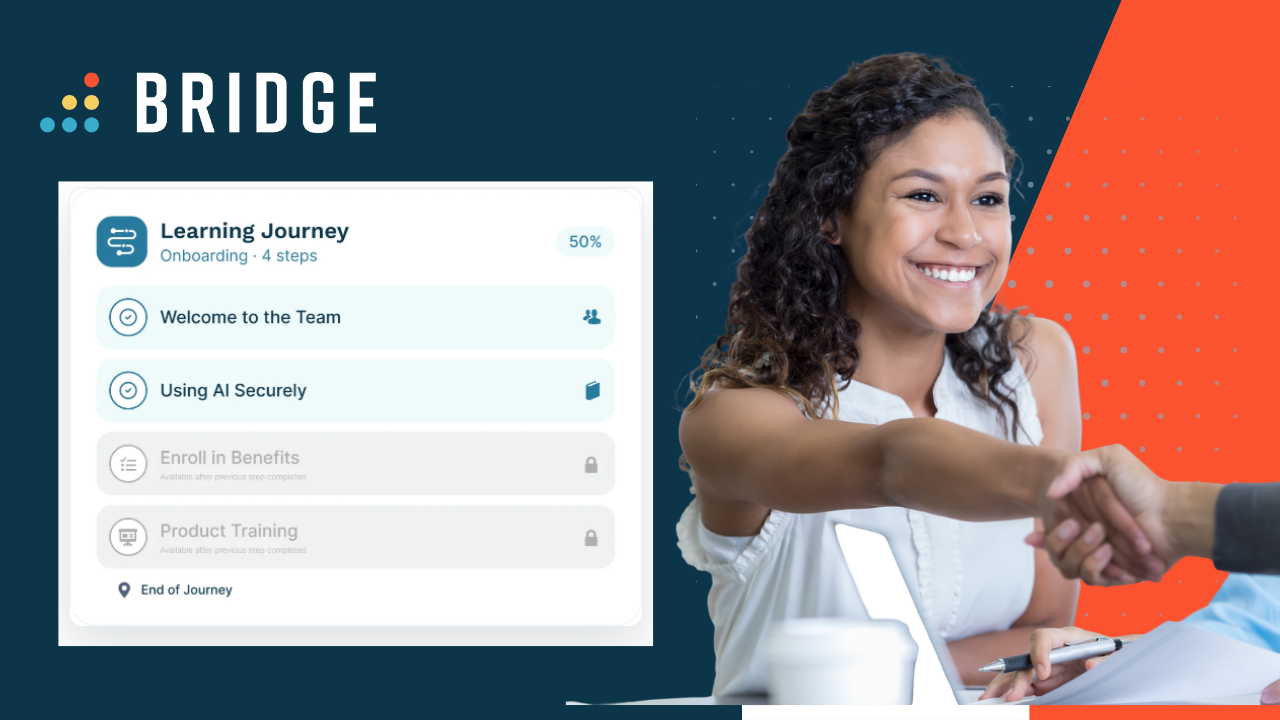
- Have an Accessible, Self-Paced Learning Platform: Training and development programmes need to be self-paced and accessible online. This will allow your employees to work at their own pace and in the environment that suits them best, whether that’s in the office or at home.
- Offer Refresher Courses: Make sure you offer refresher courses, or the ability to go back to already completed training, to allow employees to take control over their own development and re-visit sections that they feel less comfortable with.
- Use Your Line Managers as Line Coaches: Helping people learn isn’t about supervising what they do but helping them to acquire the skills to do it better. That’s why I love the concept of a line coach rather than a line manager. A line coach is there to raise the game of the whole team by understanding and catering to what’s important to each individual team member.
- Enable People to Set Goals and Measure Their Performance Against Those Goals: If you enable people to set personal goals for their own development, it’s vital that you also provide them access to how their performance is being measured. In this way they will be able to grow in confidence as each step in their development journey is achieved. It will also make it easier for line mangers to behave like line coaches.
- Clearly Communicate Available Support: Don’t let your best intentions be undone by inadequate communication. Sometimes people don’t ask for help because they don’t know it’s there. Make sure you are clearly communicating the support that is available, how to access it, and how to give feedback or ask for additional support.
In my opinion, every L&D programme should be fully inclusive and bespoke to the needs of a diverse workforce. It’s time for all business leaders to take a stand for true diversity and inclusion by ensuring that learning and development is a key pillar in their DEI strategy. This is even more important now as businesses grapple with the challenges of upskilling and reskilling people as a result of the pandemic.