Training programs are most effective when they’re engaging and interactive. That’s why, according to one Bridge-sponsored report, 78% of HR professionals consider learning on the job from managers, peers, and experts to be the most effective method of upskilling employees.
What’s more, as skills development becomes a top business priority, over half of HR professionals expect to prioritize peer-to-peer learning in the next two years.
Bringing your workforce together through collaborative learning and development is a powerful way to improve camaraderie and trust, unite everyone toward a common goal, and improve your people’s collective knowledge and capabilities.
The Link Between Collaborative Learning and Employee Skills Development
Gartner research finds that for 47% of HR professionals, using tech to communicate, encourage connection, and align people with business and performance outcomes is a common challenge.
Further, it suggests that overcoming this challenge requires cultivating connectedness with the following methods to improve productivity and foster a sense of belonging:
- Sharing culture through work
- Building connections with others
- Deploying small, group-based learning experiences
By shaping your learning and development programs around skills and connecting them to performance goals, you create a shared sense of purpose and direction. And when learners know what skills they need and how to develop them, you empower them in their growth and direct them toward relevant learning opportunities and like-minded peers.
6 Ways to Promote Skills Development Through Collaborative and Peer Learning
Incorporate these social and collaborative experiences into your learning programs to deliver rich, rewarding experiences.
1) Connect Employees Through Shared Skills and Interests
Community is a powerful driver for learning, and putting skills at the heart of L&D experiences creates a community of knowledge and information sharing.
Using a comprehensive L&D platform like Bridge that combines skills data, employees can use personal profiles to share the following information:
- The skills they have
- The skills they can help others with
- The skills they want to develop
Skills profiles allow employees to search and connect with others, and check the skills associated with a given role. This brings people from across the organization together based on common goals, interests, or challenges they want to overcome.
Whether your people share best practices, brainstorm ideas, or ask for advice, an informal exchange of knowledge and skills develops your talent and increases their motivation.
If employees are struggling to fill out their profiles, providing AI-driven skills suggestions based on their roles could point them in the right direction. Additionally, manager-employee skills and career development conversations will help them define goals and turn them into actionable development plans.
2) Match Mentors and Mentees Through Skills Communities
Use skills to build communities of learners with shared development goals. These groups bring peers together in a focused setting that helps you build mentoring relationships.
Matching your learners with mentors who can impart their wisdom in a structured environment benefits both parties. You improve capabilities through knowledge transfer, practice, and reflection while allowing your talent to strengthen their mentorship skills.
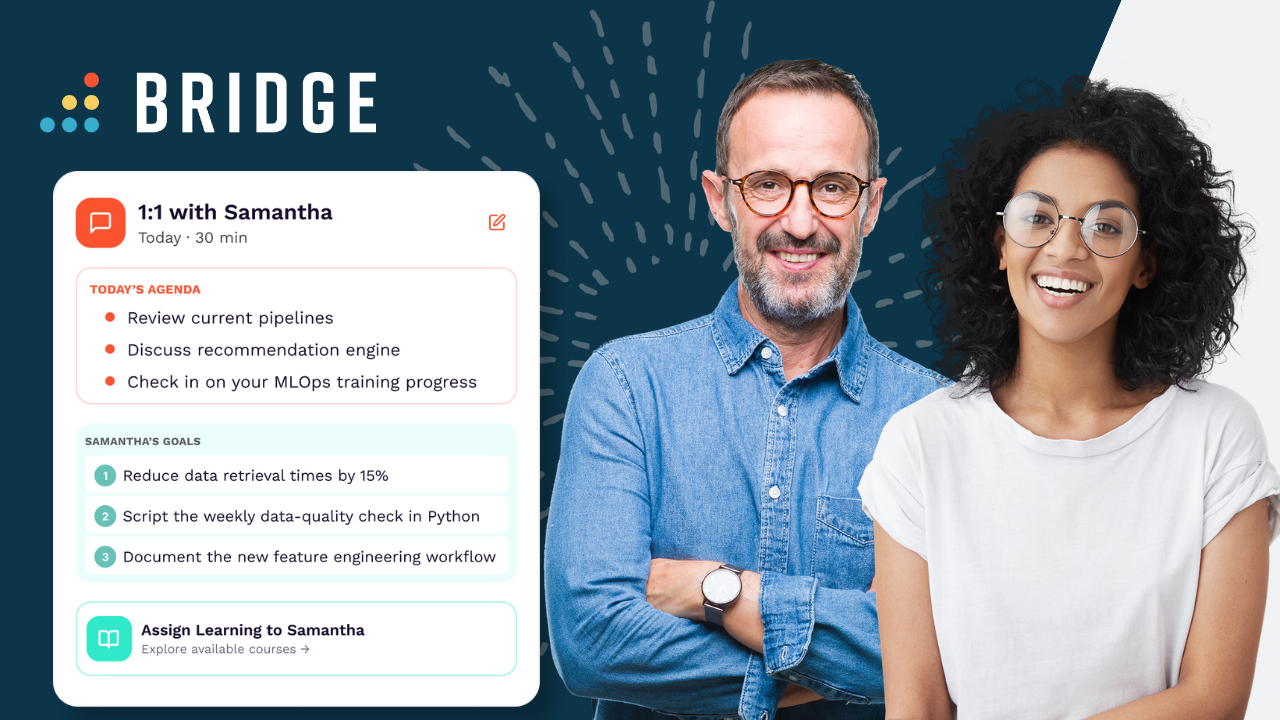
Whether it's group or individual-focused, you'll need to outline the structure of a mentorship program with a set of development goals. For example, use a training plan to list learning resources, check-in cadence, and goals. A one-on-one agenda keeps track of progress and records any challenges and accomplishments during these conversations.
WANT TO LEARN MORE? | ‘Corporate Mentorship: How to Match Mentors With Mentees’
3) Leverage User-Generated Content
User-generated content builds connection and rapport among learners working asynchronously and within different time zones and locations. When content is personal to your organization and its culture, it opens up a dialog and makes your people more likely to interact and engage.
Encourage everyone to capture and share ideas and knowledge in short, informal, and engaging formats like video. This content could be tied to specific moments of the employee experience. For example, teams and departments could share knowledge and best practices with new hires during onboarding. Alternatively, your subject matter experts could demonstrate best practices or tutorials tied to a specific skill through screen captures or meeting recordings.
Housing these files within a learning platform and tagging them with related skills makes it easy for people to search for information and share it with others. Using a platform like Bridge with an accompanying mobile app keeps learners connected to their community when they're on the go or experiencing limited internet connectivity.
4) Promote a Culture of Frequent Skills Feedback
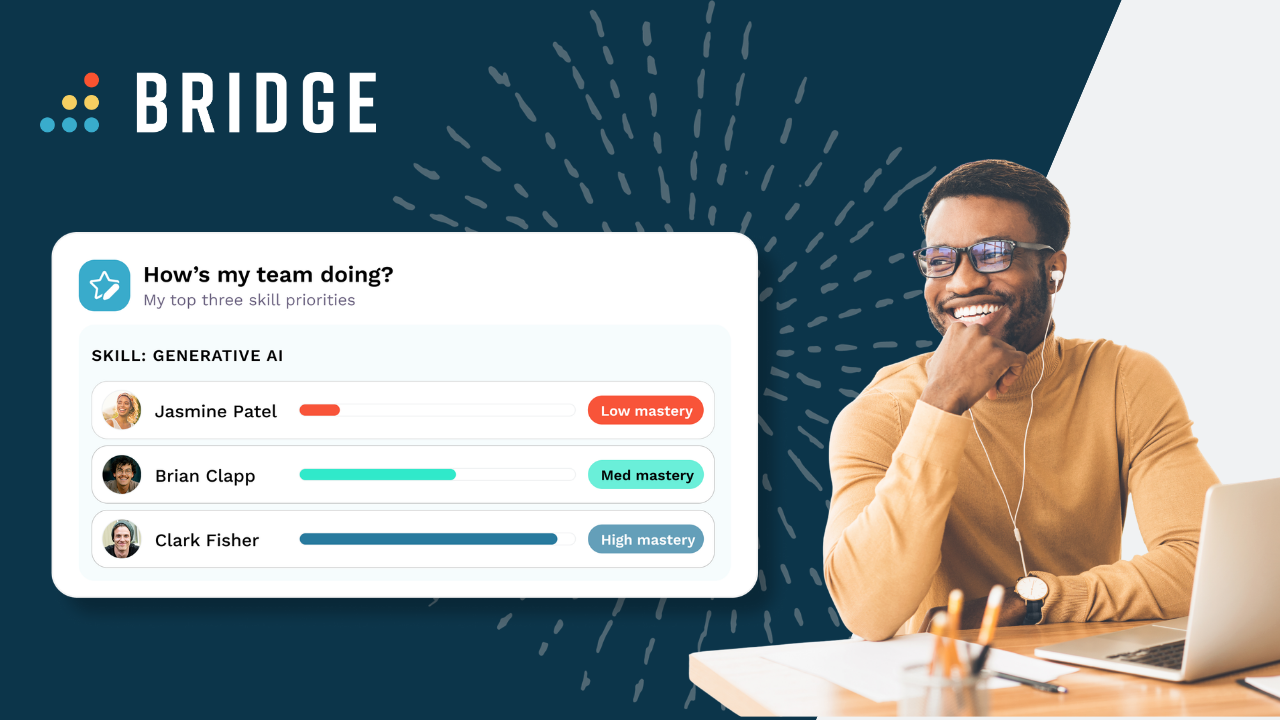
You'll need a way to track and measure the impact of skills development initiatives. Encouraging sharing and collaboration in the form of skills feedback and assessments keeps learning and development connected to professional goals and supplies you with a rich set of data to track the impact of your initiatives.
Continuous feedback helps employees to visualize their proficiency and any improvements they've made. Used alongside stop/start/continue feedback and positive recognition, you connect people to their community, while giving them direction for their development growth.
Make it as easy as possible for your people to request feedback by scheduling reminders and incorporating actionable steps during courses and learning programs. When these insights are habitually shared and practiced among learners, you'll build an organizational-wide view of skills mastery that you can use to prioritize L&D efforts.
ADDITIONAL INSIGHTS | ‘Continuous Feedback: The Key to the Best Performance Reviews’
5) Reinforce Knowledge With Touchpoints
You can improve knowledge retention by breaking down your content into learning pathways based on shared training and development objectives.
Leverage group-based learning to break up live training sessions and course content through practice and application. This method is particularly useful for developing and enhancing interpersonal and managerial capabilities.
Assigning evidence-based tasks gives learners the chance to practice behaviors within learning cohorts and have peers review them. Using an LMS that integrates with your existing tools, you can further develop these group-based learning moments by creating learning groups within company communication channels to spark discussion and expand on topics.
MORE WAYS TO USE L&D PATHWAYS | ‘Bridge Journeys for Employee Development: How to Pave the Way for Success’
6) Use Agendas to Keep Learners On Track
Ensure communication never falls by the wayside with shared and collaborative agendas. Recording meetings with a templated framework turns conversations into routines and keeps people accountable for their tasks and goals.
When managers and employees use meeting agendas as part of their regular check-ins, they can discuss goals, tasks, and training. A structured approach to these conversations means they can reflect on progress and adjust upcoming targets as they change. For example, managers can assign training and find peers and mentors with relevant skills to target employee development during these one-on-ones.
A group agenda can facilitate communication, bring people from different teams and departments together with a shared goal, and keep them coordinated as they work on tasks and projects.
KEEP READING | ‘4 Ways to Fuel Employee Engagement With Skills Development’
Power Up Your Training Programs With Bridge’s LMS
Bridge Learn is an award-winning LMS that helps organizations design and deliver learning to their employees, partners, and customers. Create, catalog, and deliver training at scale with course authoring, automated learning journeys, video hosting, analytics, live training, and a mobile app. Bridge has helped thousands of organizations worldwide achieve compliance goals, onboard staff and volunteers, train their partners and customers, build skills, and drive results.